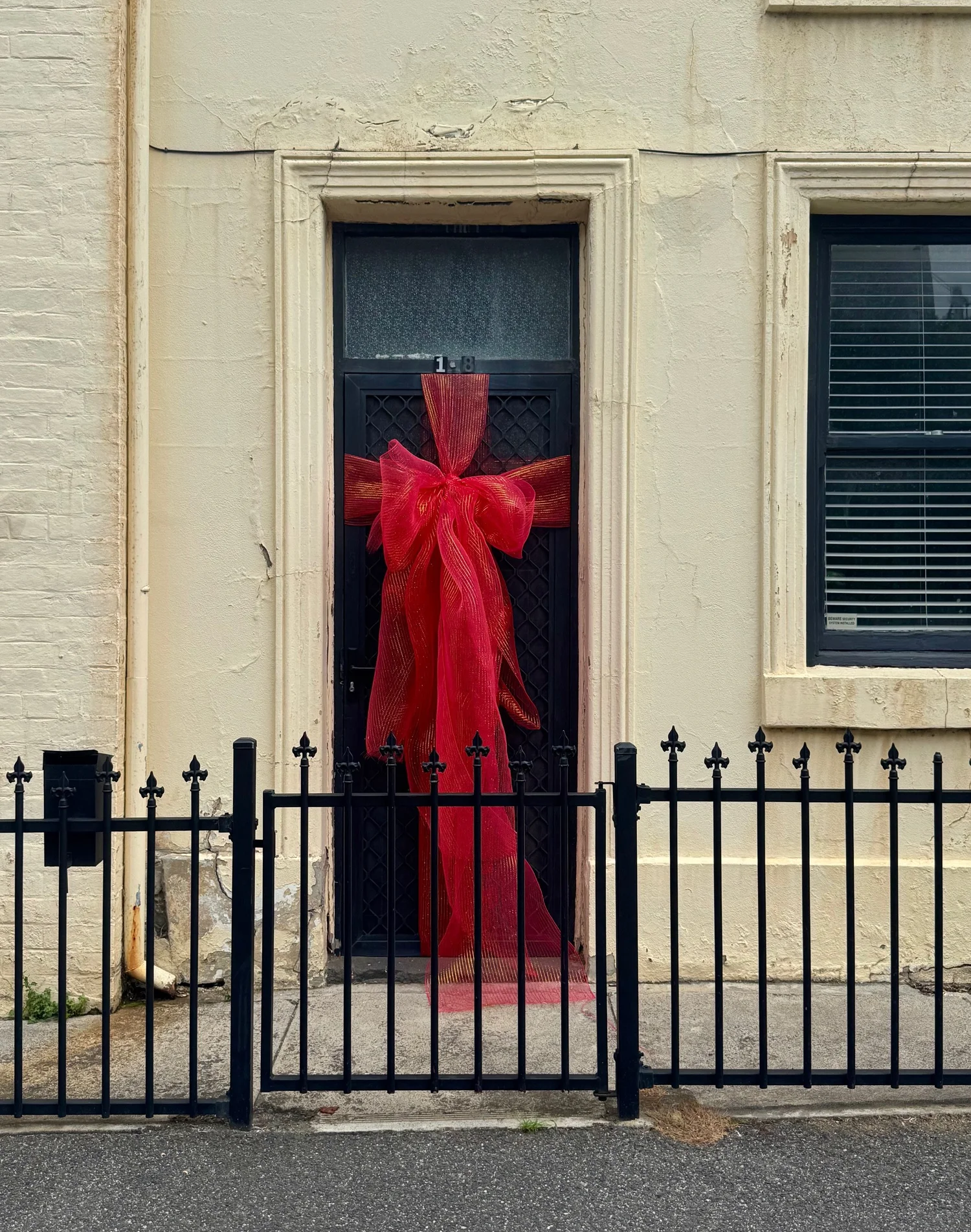
Christmas: The Seed and The Star
A vulnerable little baby was born, as the ancient story goes, in the most lowly of circumstances.
A vulnerable little baby was born, as the ancient story goes, in the most lowly of circumstances.
Recently, I finished reading a book written in 1953 by the American psychotherapist Rollo May; Man’s Search for Himself. He writes about the pervasive isolation, fears and unanswered questions of life that plagued those who found their way to him for therapeutic support. As I read, I marvelled at how page after page detailed concerns of our present day society- the unbearable loneliness; the dread of and, paradoxically, the search for personal meaning and freedom; the courage a person needs to be able to mature into their fullest potential; the quality of mind needed to see truth and act in alignment with the knowledge; and the willingness to contend with the apprehension that one’s existence as one knows oneself were under threat. These are all existential anxieties, they relate to deep and persistent concerns around being (existing), or not-being (not-existing). And they are universal.
Art therapy as a healing profession emerged in the 20th century. Unlike other therapeutic styles which have terms, assumptions and practices that create distinctions between them (for instance, the practice of Jungian psychology verses Cognitive Behavioural Therapy), the ideas contributing to the practice of art therapy flow from many streams of practice and thinking. In this way, art therapy is like a river. As a healing practice it does not have one definitive view of the meaning of pictures, expression and the nature of things concerning the psyche. Instead, within the current practice is an encouragement for the arts therapist to develop their own ways of working drawing on the many streams of knowledge and know-how, while working to “do no harm” to the client who is in need of care.
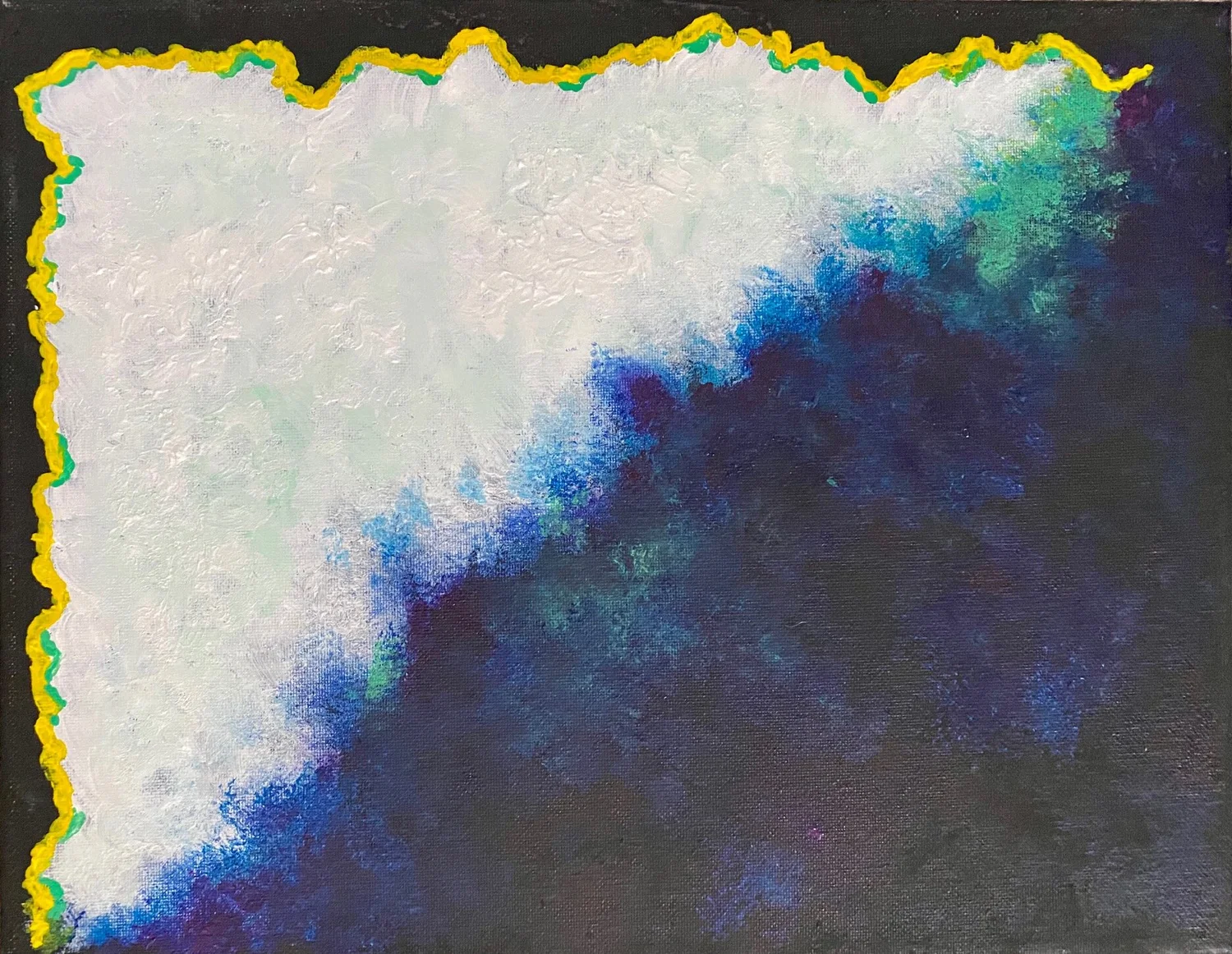
As this new year begins, we find ourselves reflecting on what has come to an end in 2024. With acknowledgement of closure comes a fresh possibility to turn over a new leaf and change habitual thoughts, feelings and actions, life situations, possibilities. The start of a new year is a time of mutually opposed contradiction and interconnection as the end of things as they were turns into the beginning of new things which brings forward new endings which open doors, closing others. As we turn the page from what has been, we may have tentative ideas or solid plans of striding into transformation; and, or, we may be anticipating repetition, stagnation, or retraction as the things in our lives (opportunities, people and actions) stagnate or shrink in response to time’s progression.
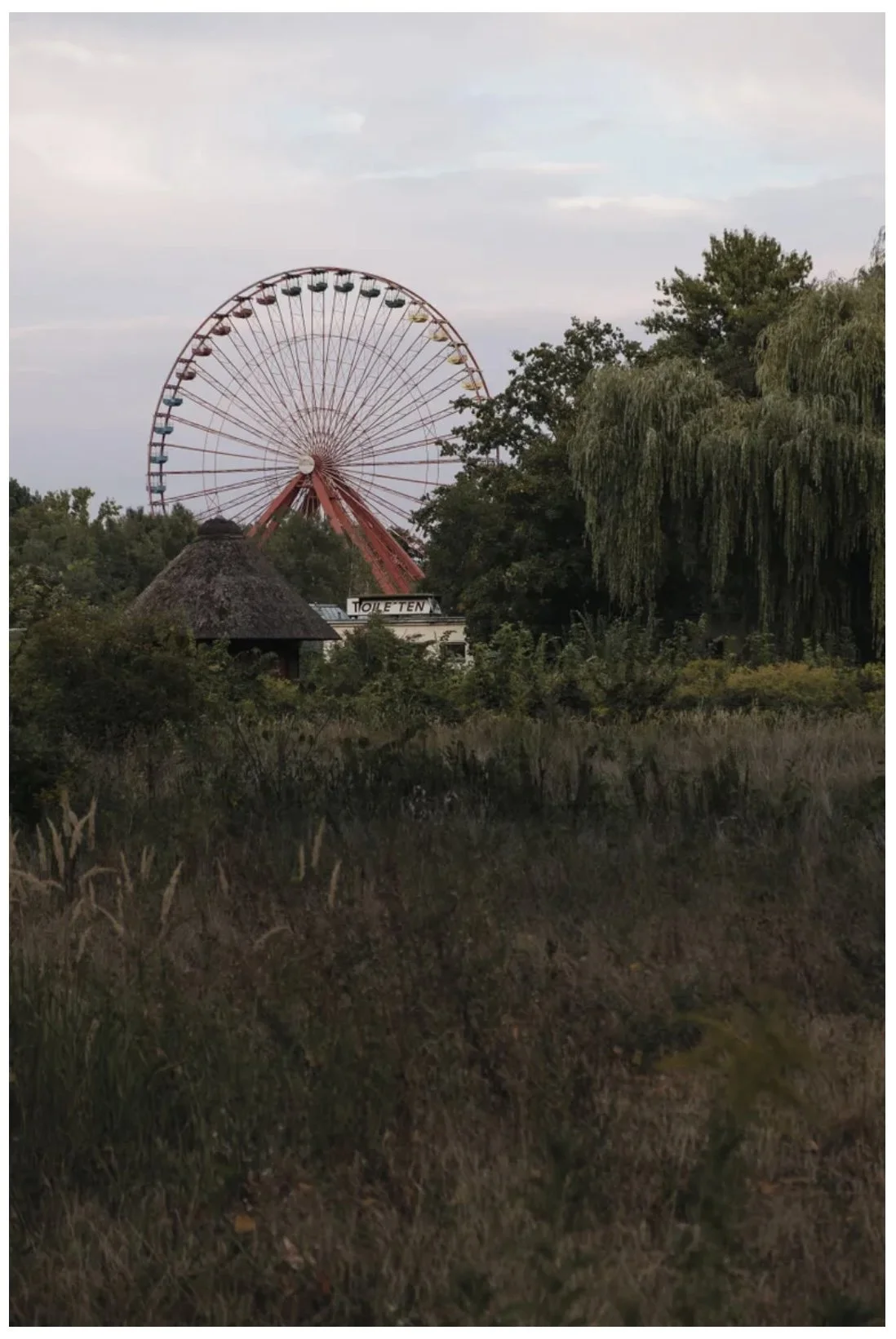
There are few things as unsettling as the space in between: It is the gap connecting what once was and what will be, bridging the edges of what we know and the what we don’t know. The in between holds both the familiar and the strange and causes us to sit on the edge of our comfort before slipping into outright terror or relief. This knife edge of comfort/displeasure compels and repels us simultaneously, seating us on the borderline of emotional distress.
Twisting, turning, breaking and re-forming.
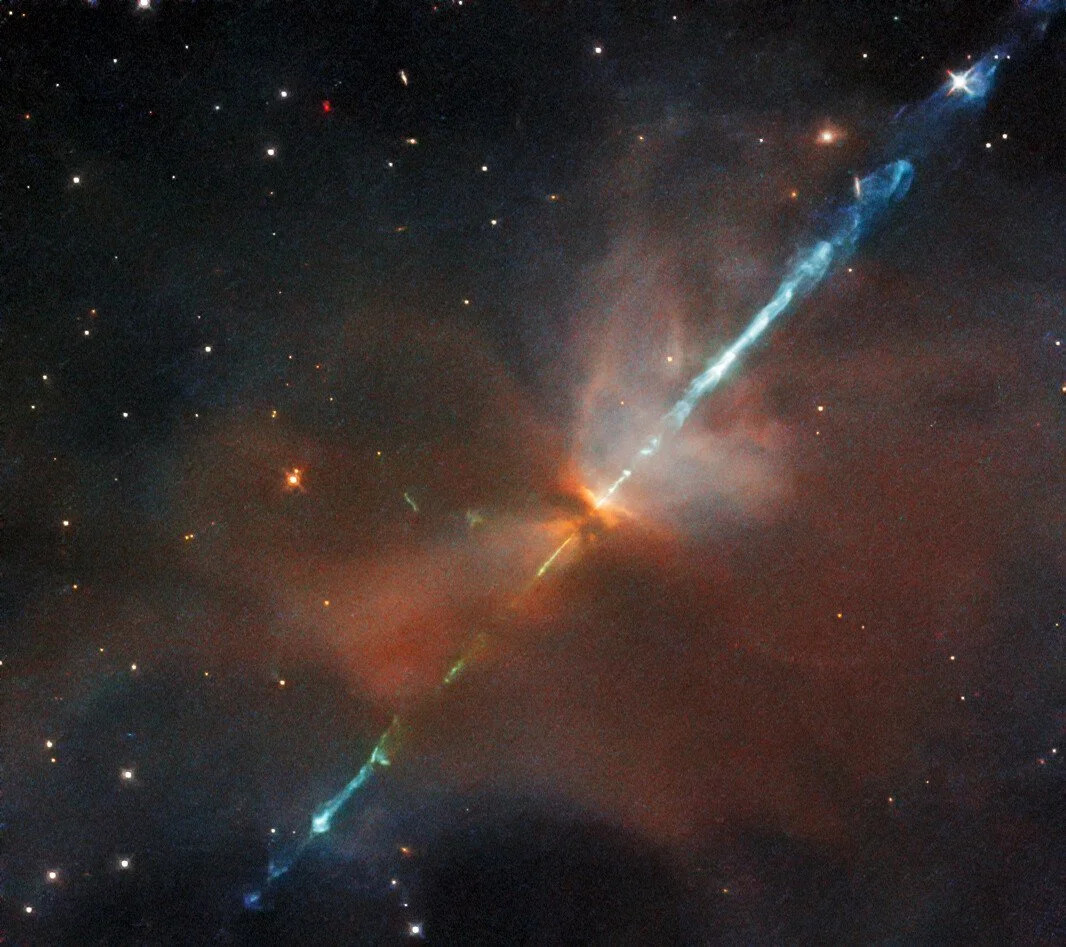
To watch a falling star
“How does the unconscious come out in the art?”
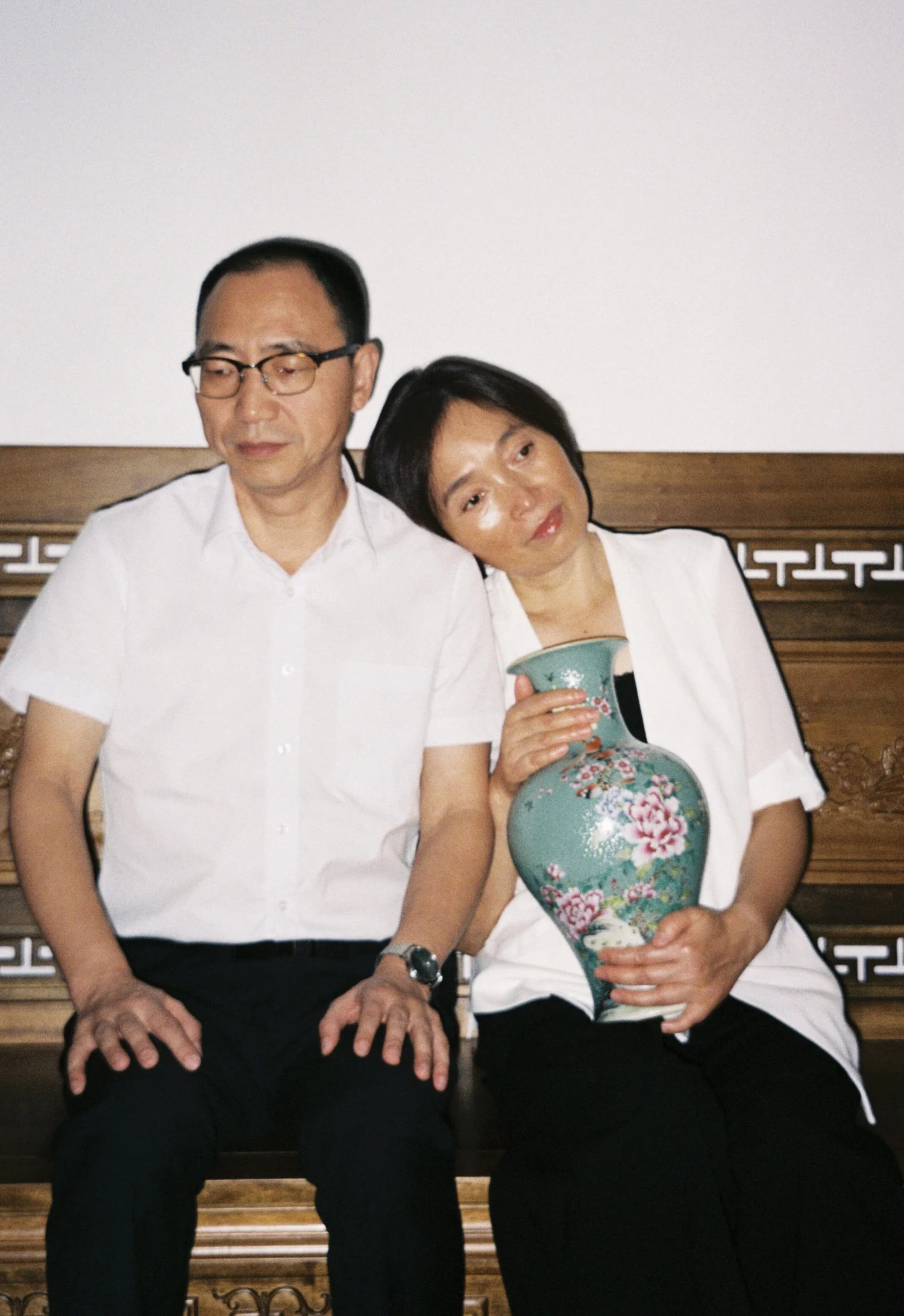
Megan is a Chinese-born, creatively-minded woman. We have connected through working collaboratively on artistic projects together. We met up in a cafe recently to enjoy some good food and engage in reflective conversation about why we do what we do.
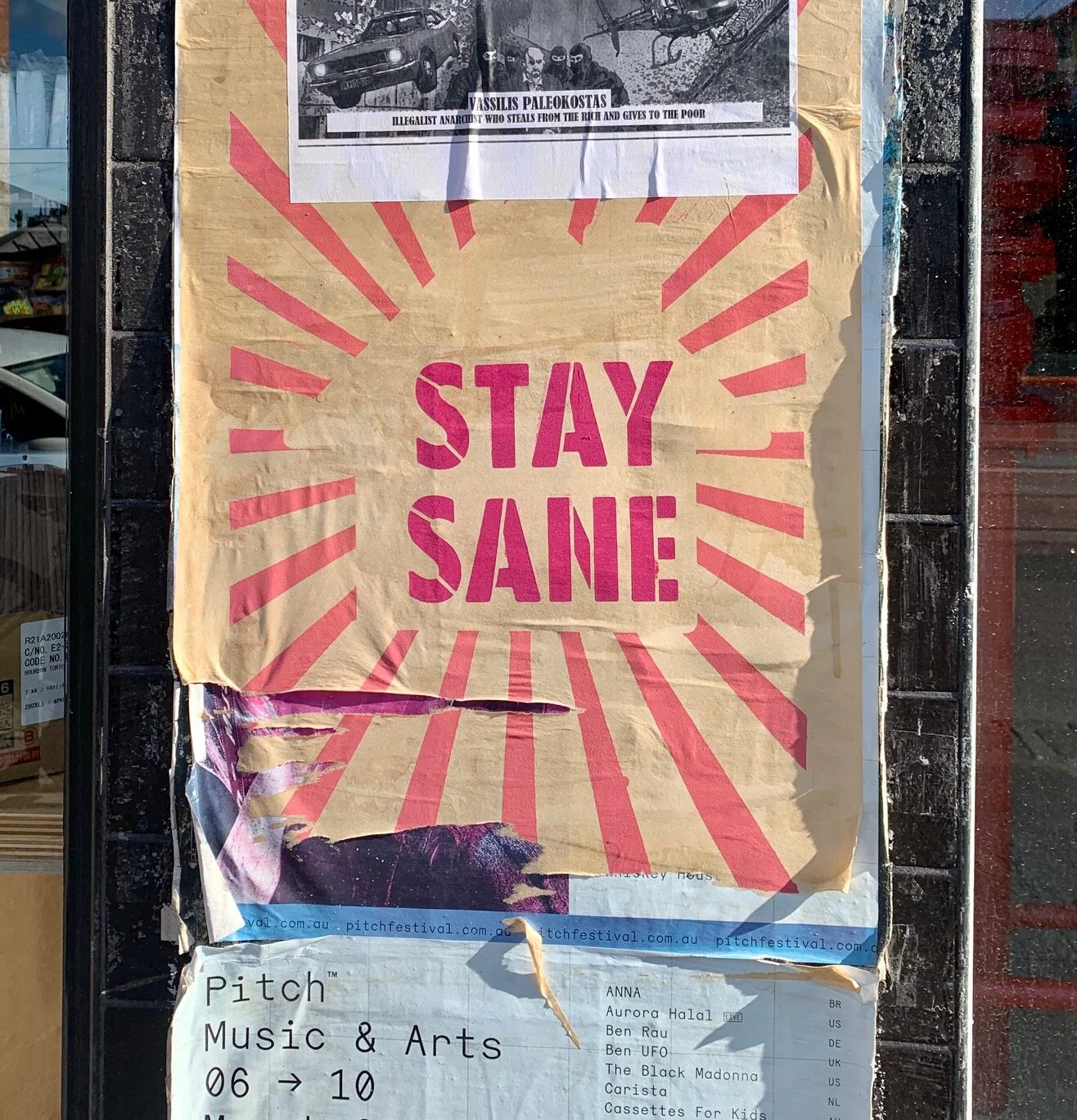
Several people have asked me to comment from a therapeutic point of view on a few of the more prominent and divisive storylines of 2020. The unfolding of chaotic and at times bizarre events on both the micro and macro social platforms are universally concerning.
Hello, I’m Anna.
In this article, I discuss some recent global events that may be distressing to some readers. Please use your discretion in reading this article. If you are in crisis, and in Australia, please reach out for help and call Life Line on 13 11 14
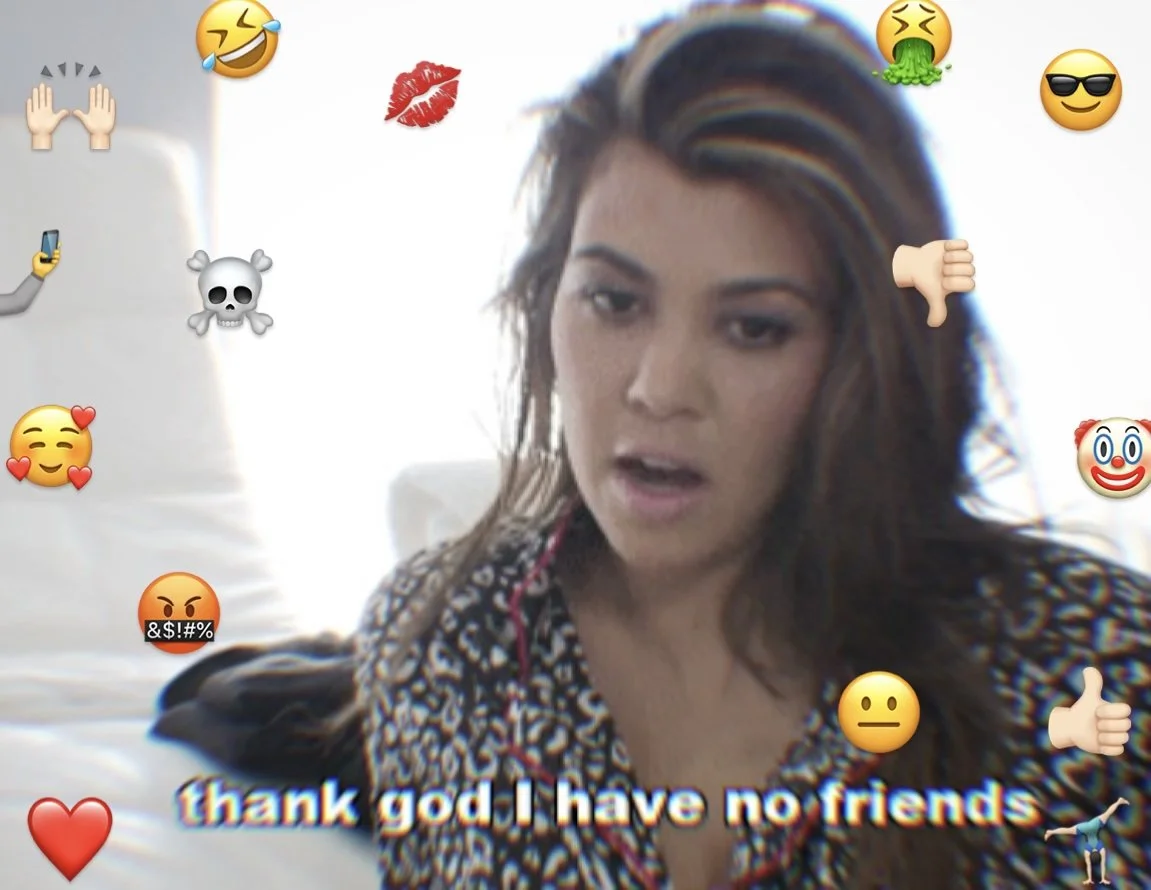
God and online celebrity culture. Two concepts you are unlikely to find mashed together in any useful way, but I suspect these two ideas are as inseparable as a gin and tonic. If you are of the many who are opposed to talk of God, as many people are put off by neat gin, perhaps I can seduce with talk of the Kardashians. And if you are of the few of you remaining, Kim etc might be your idea of hell, which I can only apologise for.
Do I stand up and say “this matters”?
This post was originally published in [Oct, 2019] and has been updated and republished in [July, 2024]
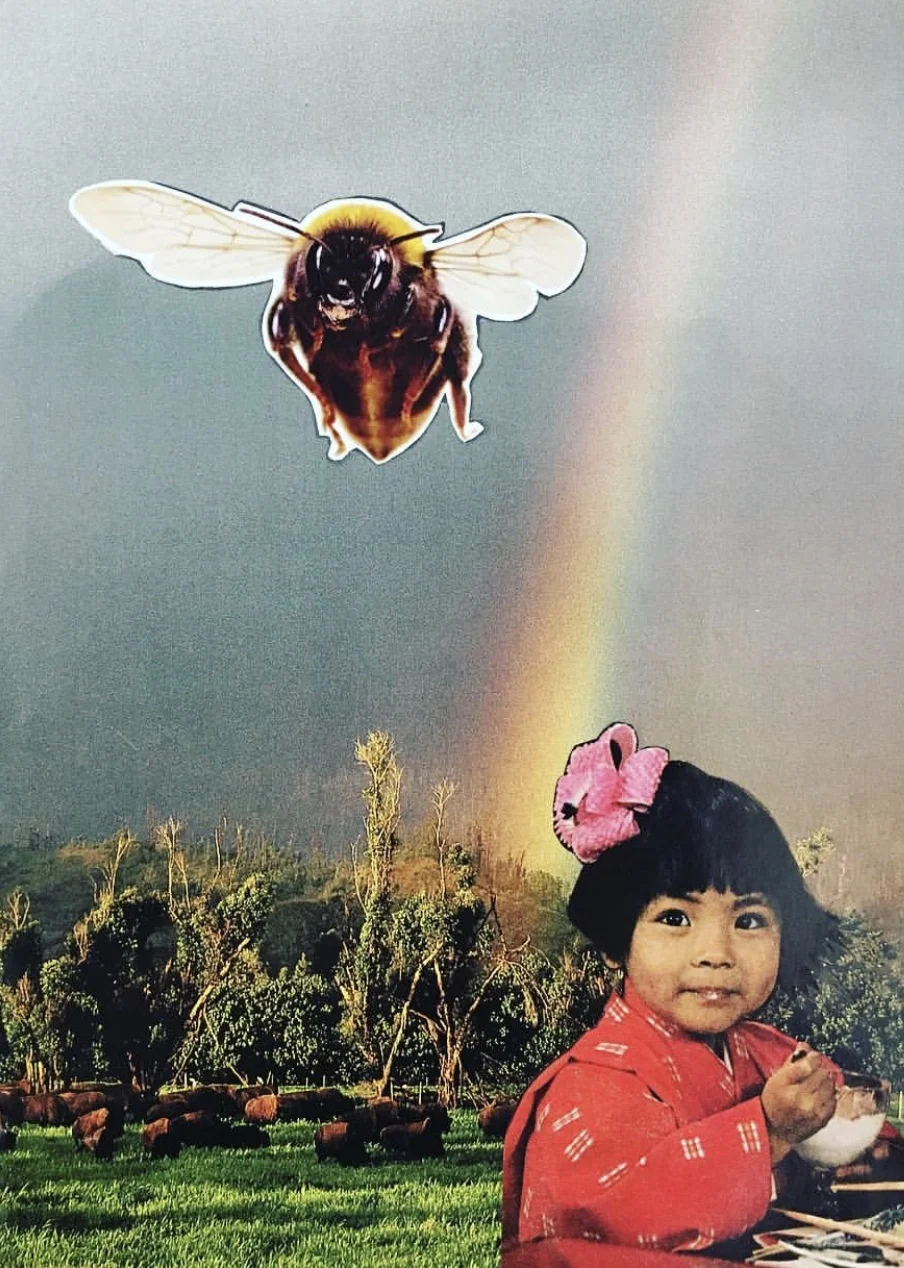
Before I studied art therapy I dabbled in various forms of creativity and never gave too much thought as to what I was doing. I was simply enjoying myself. Yet when I started to make collages a couple of years ago, I noticed the process as being particularly stress relieving. I wasn’t going through acute pressures at the time, so this sense of relief was surprising. I decided to pay more attention to what I was doing.
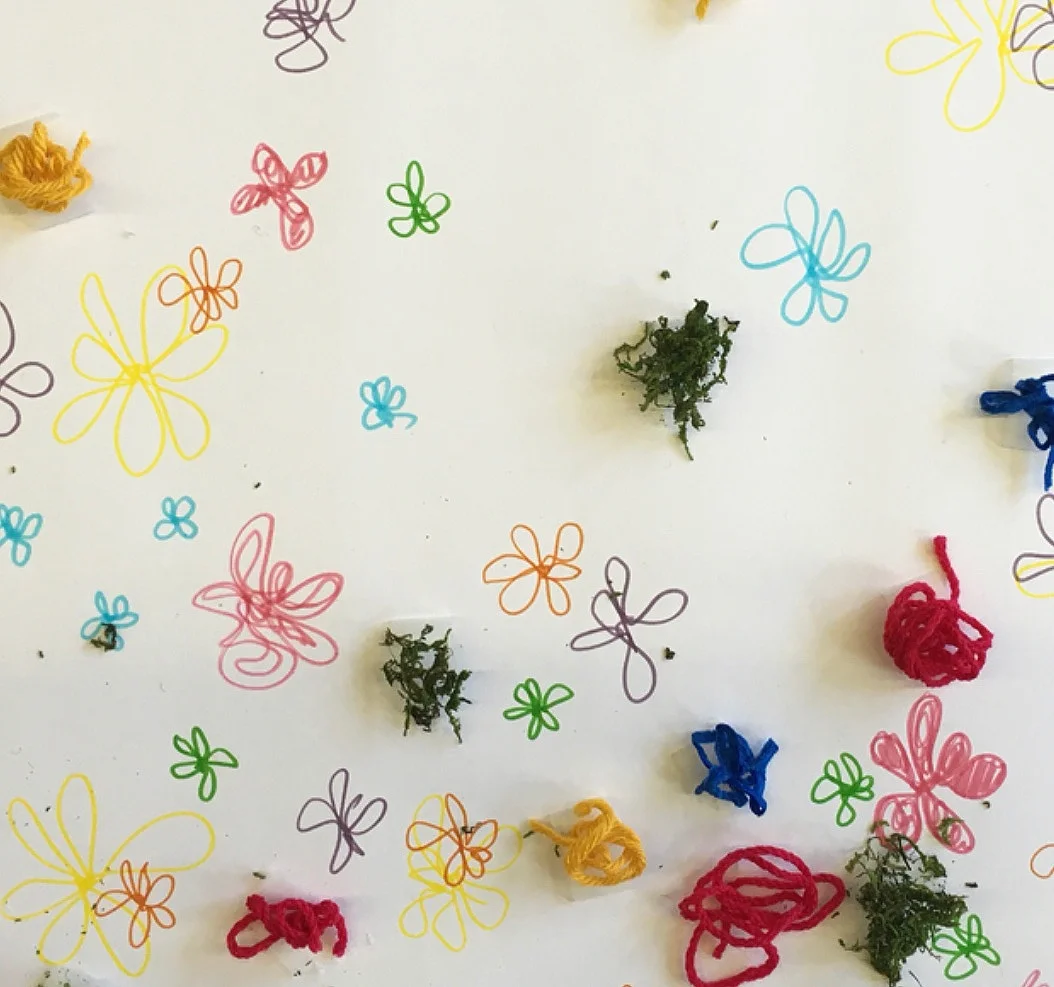
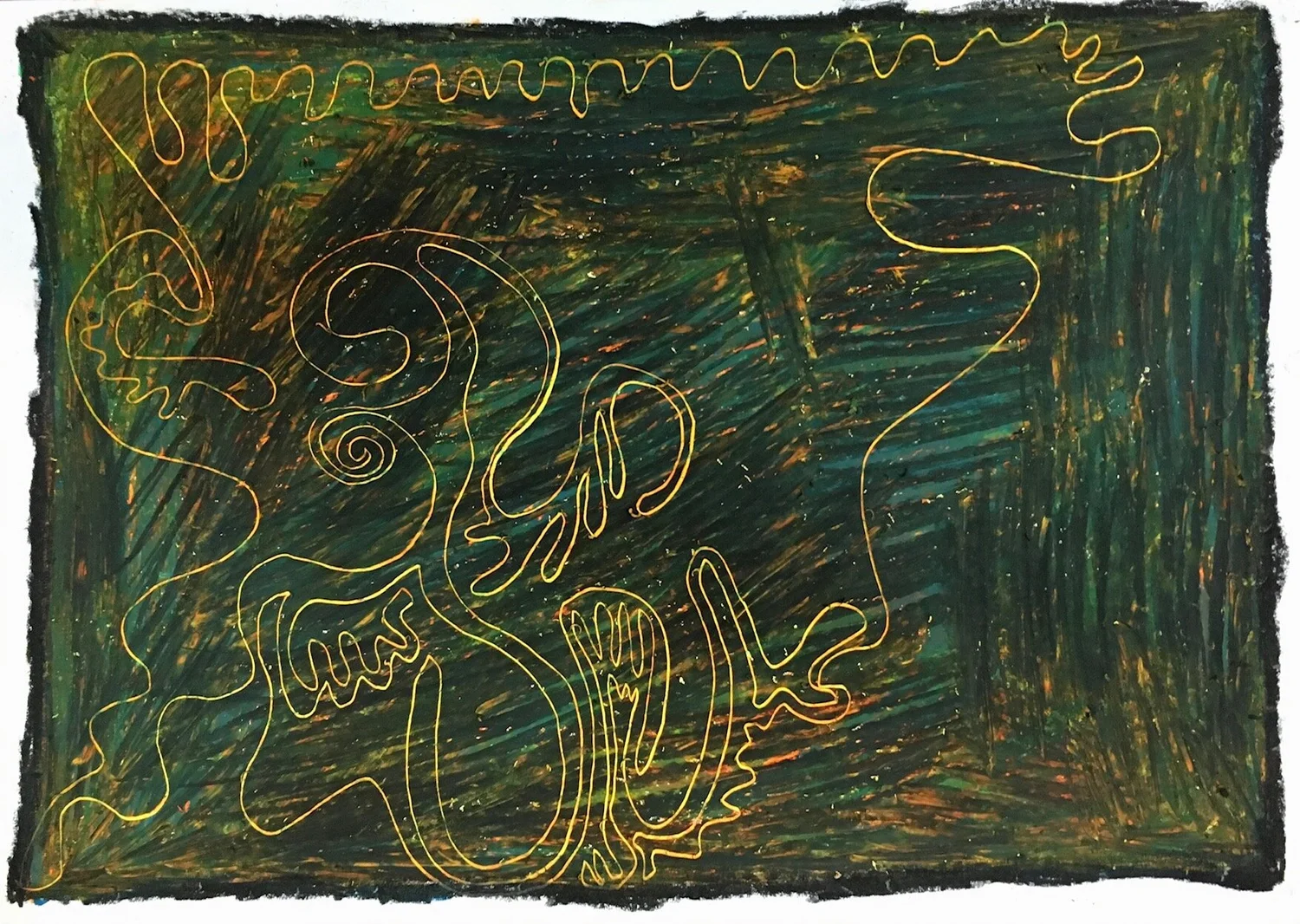
Looping: to coil, to encircle, to travel back to the starting point, meandering in cycles.
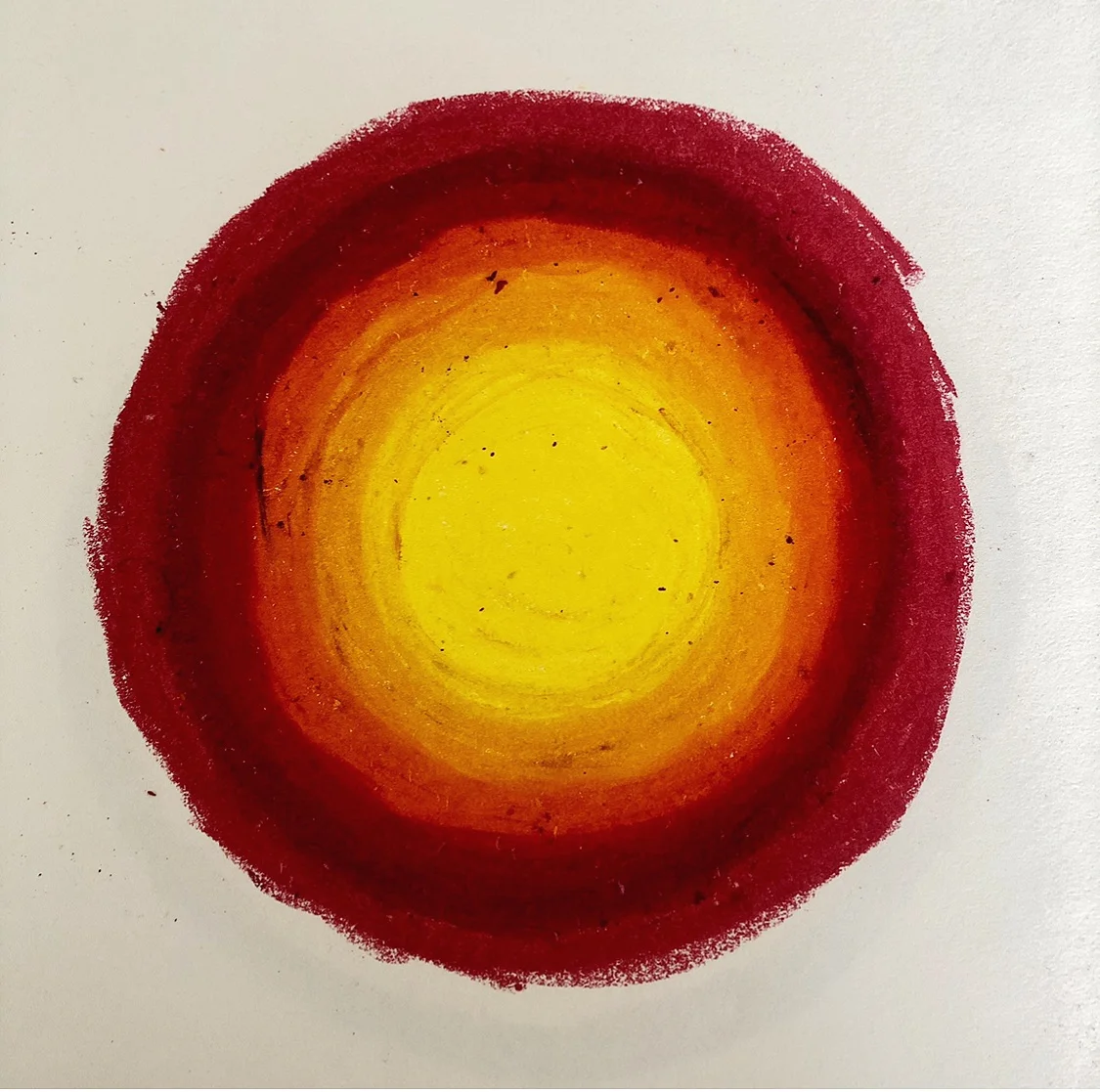
Our western culture puts a premium on the workings of the rational, thinking mind. Making art, or being creative asks of us to suspend judgement, so we are able to enter into a place of “pure imagination” as Willy Wonka described it. Through the arts we can enter into a world of sensing, feeling, knowing from a place that is apparently “beyond” the mind.